You're probably in one of two places right now. You're either getting ready for your first visit to Sacramento Hmong New Year and want to know what to expect, or you help run events and you're curious how a community festival of this size works on the ground.
Both are good reasons to pay attention.
Sacramento Hmong New Year is the kind of event that rewards a little preparation. As a visitor, that means you'll enjoy the food, performances, clothing, and community traditions more fully if you know what you're seeing. As an organizer, it offers a useful real-world example of what happens when cultural meaning and large-scale logistics have to work together in the same space.
Table of Contents
- Welcome to Sacramento Hmong New Year
- The Heart of the Celebration History and Significance
- Planning Your Visit Dates Venue and Tickets
- What to See and Do A Guide to Festival Highlights
- Visitor Etiquette and Tips for a Great Experience
- Behind the Scenes Organizing a Large Scale Cultural Event
- Your Sacramento Hmong New Year Planning Organizer
Welcome to Sacramento Hmong New Year
You arrive at the gate with two questions in mind. If you are visiting for the first time, you want to know where to look first and how to take part respectfully. If you help run community events, you notice something else right away. You start watching how thousands of people enter, gather, eat, watch performances, and find their way across the grounds.
That split view fits Sacramento Hmong New Year well. It is a cultural celebration, a family reunion point, and a large public event sharing one space at the same time. The atmosphere can feel a little like a neighborhood gathering that grew into a regional festival without losing its personal meaning.
You hear music from more than one direction. You pass food booths, sports activity, groups dressed in richly embroidered clothing, and clusters of relatives catching up after time apart. The pageantry and stage energy draw attention, but so do the quieter moments. A conversation between elders. A family photo. Someone helping a first-time guest understand what they are seeing.
For new attendees, that mix can feel exciting and busy at once. The good news is simple. You do not need expert knowledge before you go. Curiosity, patience, and basic respect will carry you a long way, much like visiting someone else's holiday table. You may not know every custom, but you can still be a welcome guest if you listen, observe, and ask politely when you are unsure.
Practical rule: Treat the event like both a celebration and a community space. If you do that, most choices become easier.
For organizers, the same festival offers another lesson. Large cultural events work a bit like a well-run kitchen during a holiday meal. Guests mostly remember the warmth, the food, and the people around them. Behind that comfort is timing, flow, staffing, and clear roles. Questions about entry, vendor placement, performance schedules, and crowd movement are important; strong operations protect the cultural experience.
When the logistics are handled well, visitors spend less time confused or waiting and more time connecting with the reason the event exists in the first place. That is the balance this guide keeps in view throughout. It helps first-time attendees enjoy the celebration with confidence, while giving community organizers practical ideas they can scale and apply.
The Heart of the Celebration History and Significance
For many families, Hmong New Year is tied to renewal, reunion, and continuity. It marks a turning point in the year and creates space for elders, youth, extended family, and clan networks to reconnect in person. That's why the celebration often feels layered. Some people come for ceremony and family gathering. Others come for performance, courtship traditions, shopping, and community presence.
Why the New Year matters
A festival like this carries history in visible and invisible ways. The visible parts are easier to spot. Traditional clothing, ceremonial moments, music, food, and public competitions all show culture in action. The less visible part is the social role the gathering plays. It gives people a place to maintain ties across generations and across households that may live far apart during the rest of the year.
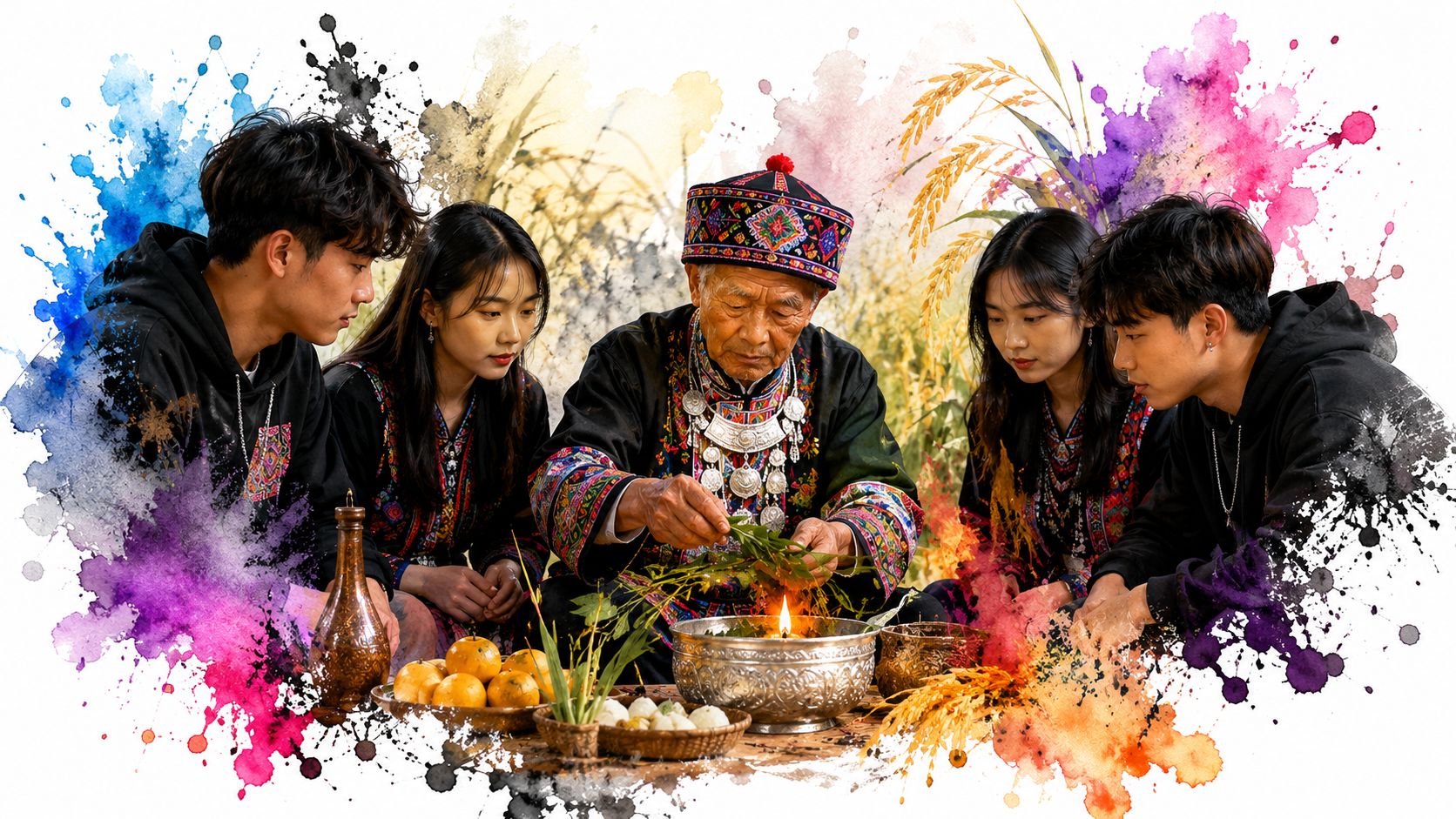
That intergenerational feeling matters a lot in Sacramento. You'll often see older traditions and younger styles side by side. A person may wear detailed traditional clothing. Another may pair modern clothes with cultural accessories. Neither cancels out the other. That's often how living traditions work. They stay rooted while adapting to the people carrying them forward.
Why Sacramento celebrates over Thanksgiving
One detail that helps people understand the Sacramento event is timing. A Hmong studies paper notes that Sacramento Hmong communities traditionally hold their New Year over the Thanksgiving holiday, while Fresno's larger celebration is scheduled between Christmas and New Year's, showing how dates are shaped by community size and the American holiday calendar in this Hmong studies paper on California Hmong New Year celebrations.
That helps explain something visitors sometimes miss. The schedule isn't random. It reflects how Hmong American communities have adapted tradition to real life in the United States. Families travel. School and work calendars matter. Holiday weekends create practical chances for people to gather.
Here's a simple way to understand it:
| Question | Why it matters |
|---|---|
| Why this weekend? | It makes travel and family participation easier for many people. |
| Why such a large venue? | The event serves a regional community, not only nearby neighborhoods. |
| Why so many kinds of activities? | The festival has cultural, social, and public-facing roles at the same time. |
A cultural event can preserve tradition and still adapt its schedule, audience, and format to present-day life.
That balance is one reason Sacramento Hmong New Year has become such an important annual gathering point. It reflects migration history, family networks, and the practical choices communities make to stay connected.
Planning Your Visit Dates Venue and Tickets
If you're getting ready to attend, start with the basics. Know the venue, confirm the final event dates on the official channels, and think through arrival before you think through your outfit or food plan. The day goes more smoothly when your first decisions are simple.
Where it happens and who runs it
The festival is held at Cal Expo in Sacramento and is organized by Sacramento Hmong New Year, Inc., a nonprofit focused on cultural preservation, youth scholarships, and community welfare, as noted in this Cal Expo event listing for Sacramento Hmong New Year.
That nonprofit mission matters because it tells you this isn't just a commercial event. The festival supports community goals as well as public celebration. It also helps explain why the site needs to accommodate many different kinds of participants at once, including performers, vendors, families, community leaders, and scholarship-related activities.
If you're visiting from outside the area, it helps to prepare the way you would for any busy regional event. Even if you're not traveling overseas, a good planning mindset still applies. This short guide on preparing for stress-free international travel is useful for thinking through documents, timing, communication, and backup plans in a calm way.
How to think about tickets and entry
Public festival pages can change year to year, so check the official event information before you go. In general, expect a standard admission process and plan for lines during peak arrival times. Large public festivals often move fastest when you arrive earlier in the day and keep your group organized before reaching the gate.
A few habits help:
- Check official updates: Confirm dates, hours, and any admission details before leaving home.
- Arrive with a meeting plan: If your group separates, pick one visible meeting point in advance.
- Keep entry simple: Have your payment method, bag, and phone ready before you get to the front.
If you organize events yourself, it's also worth reviewing examples of how digital passes change entry flow. This overview of QR code tickets for event entry and registration gives a practical sense of how ticketing can move from manual lists to scannable check-in.
What to See and Do A Guide to Festival Highlights
You arrive, hear music from one side, smell grilled food from another, and spot families stopping at booths in every direction. The easiest way to make sense of the festival is to treat your first 20 minutes like a walkthrough before a big community event begins. Look at the full layout first, then choose where to spend your energy.
That first lap helps in two ways. First-time visitors get a clearer picture of what the celebration includes. Event organizers can also notice how the grounds are divided into stage space, food service, vendor rows, and social areas. A well-run festival works a lot like a well-run market day. Different activities need their own rhythm, but the whole place still has to feel connected.
If you plan to stay for several hours, build your day in layers instead of chasing every attraction at once. Start with a performance or ceremony-related program. Move next to the vendor area while your attention is fresh. Eat before the busiest rush if possible. Then return to the stage zones for pageants, music, or competitions once you know where you want to settle in.
This video gives a feel for the atmosphere and movement of the event:
Highlights worth seeking out
Some experiences give you the clearest view of what makes Sacramento Hmong New Year special.
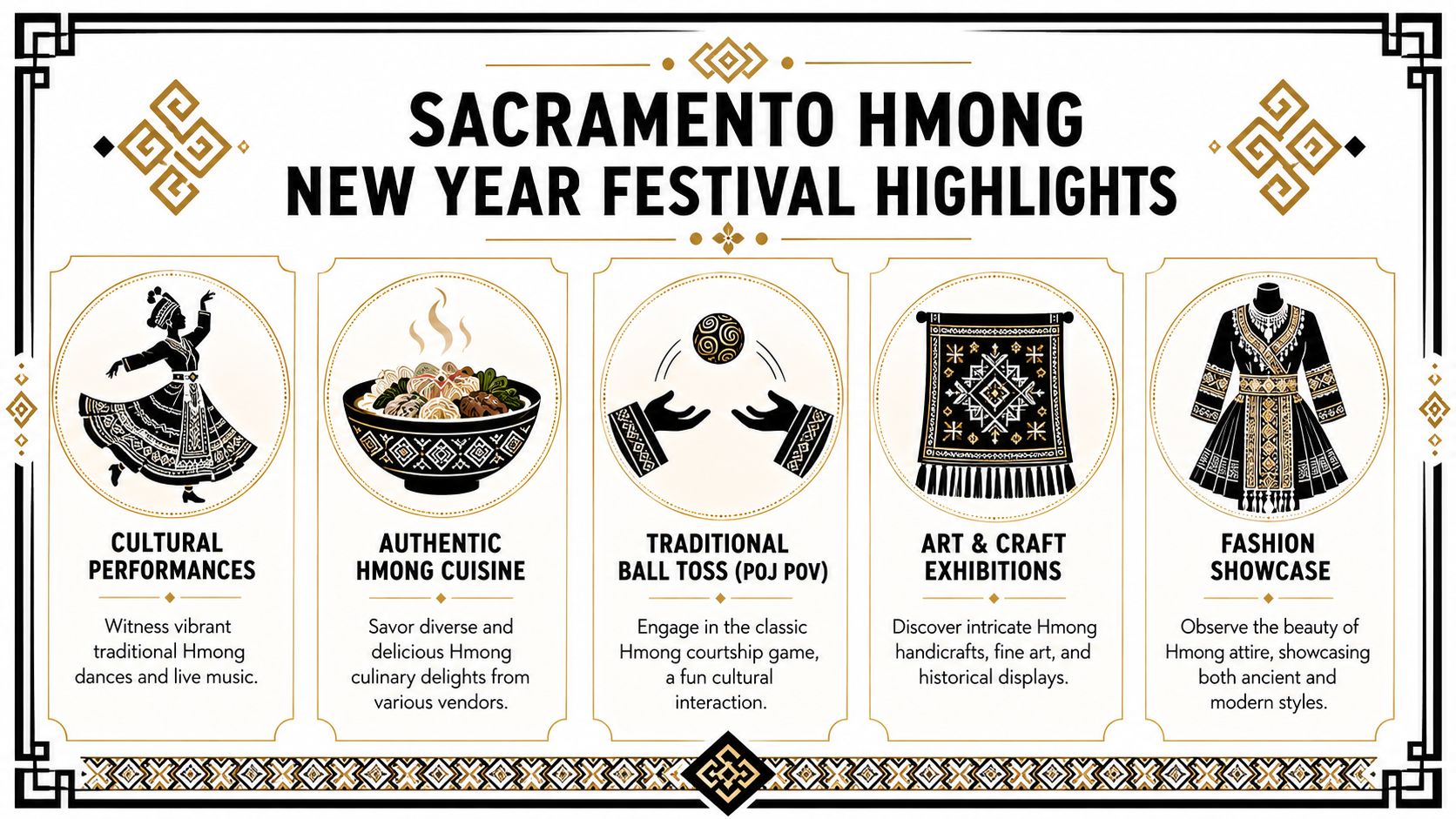
- Miss Hmong California: This program combines public presentation, community recognition, and cultural pride. If you are new to the event, it helps to watch it as both a celebration and a reflection of values around representation, confidence, and tradition.
- Hmong Idol: This is one of the easiest places to feel crowd energy gather in real time. Music turns a large event into a shared moment fast.
- Vendor rows: These booths do more than sell products. They show how culture lives in everyday life through clothing, jewelry, food, services, and local businesses.
- Sports and activity areas: These spaces change the tempo of the day. They often give families and friend groups different ways to participate without everyone needing to stay in one place.
One tradition many visitors ask about is pov pob, often described as ball tossing. If you see lines of young people passing a cloth ball back and forth, pause and watch before you assume it is just a casual game. It has social meaning and structure, and it helps shape the festival atmosphere in a way that is easy to miss if you only focus on the main stage.
Choose a few anchor experiences.
A simple plan works well for many first-time attendees: one stage event, one food stop, one full walk through the vendors, and one stretch of time with no agenda at all. That last part matters. Cultural festivals are not only about scheduled highlights. They are also about overheard conversations, reunion energy, clothing details, and the pace of the crowd.
For organizers, that same mix offers a useful planning lens. If people can watch, eat, browse, and gather without confusion, the event usually feels welcoming at any scale. This comparison of art and wine festival layout and attendee flow is a helpful example of how programming zones shape the visitor experience, even when the culture and content are completely different.
As noted earlier, the official festival materials highlight major drawcards such as pageantry, live performance, and broad community participation. Use those headline attractions as your framework, then leave room for discovery between them. That is often where the most memorable parts of the day happen.
Visitor Etiquette and Tips for a Great Experience
The easiest way to have a meaningful day at Sacramento Hmong New Year is to act like a guest, not a collector of content. People notice the difference. A respectful visitor tends to get warmer interactions, better conversations, and a more grounded experience of the event.
How to be a respectful guest
Start with clothing and photography. You'll likely see beautifully detailed traditional outfits, modern interpretations, and family groups dressed with real care for the occasion. Appreciate that effort without treating people like props.
A few simple rules go a long way:
- Ask before close-up photos: Wide crowd shots are one thing. Portrait-style photos of individuals deserve permission.
- Respect ceremonial moments: If something feels solemn or family-centered, watch unless invited closer.
- Be curious without being intrusive: Good questions are welcome. Rapid-fire personal questions usually aren't.
Recent social posts suggest the event is also making room for younger creators through efforts such as a cover-art contest with the theme “Shaping Our Future,” pointing to youth-centered cultural curation in this Yelp listing discussing Sacramento Hmong New Year activity.
That detail matters because it helps explain the tone you may notice. This isn't a frozen heritage display. It's a living event shaped by elders, families, and younger participants at the same time. If you come in expecting only “traditional” forms, you may miss the whole point. Cultural continuity often includes experimentation.
Simple practical tips
You don't need a complicated strategy. You need a few good habits.
- Wear comfortable shoes: Cal Expo is a large venue, and festival days involve more walking than many people expect.
- Bring cash if possible: Some vendors may prefer it, especially for smaller purchases.
- Dress in layers: November weather can shift over the course of the day.
- Pick a regrouping spot: Large crowds make “I'll find you later” harder than it sounds.
Good guest test: If your behavior makes the space easier, calmer, or more respectful for others, you're probably doing it right.
Behind the Scenes Organizing a Large Scale Cultural Event
You arrive at Cal Expo and the celebration feels welcoming from the first few minutes. The line keeps moving. Vendors get to their spots. Performers reach the stage on time. For visitors, that feels natural. For organizers, it is the result of many small systems working together at once.
Public coverage often shows the size and energy of Sacramento Hmong New Year, including crowd movement and visible operations at the venue, in this public video coverage of Sacramento Hmong New Year operations. What those clips do not show as clearly is the planning underneath. A cultural event at this scale works like a small temporary city. Different groups are arriving for different reasons, on different schedules, through different access points.
That mix is what makes planning harder than a standard single-purpose event. A family entering through the front gate needs a fast welcome. A vendor unloading supplies needs the right entry lane and timing. A performer needs backstage access without getting stuck in public traffic. A volunteer needs to know where to report, who checks them in, and what happens if their shift changes.
| Pressure point | What organizers have to solve |
|---|---|
| Front gate entry | Move guests in with clear direction and shorter waits |
| Vendor access | Verify approved vendors and route them to the correct area |
| Stage and backstage control | Keep performer and staff movement separate from public flow |
| Volunteer coordination | Confirm assignments, arrival times, and check-in locations |
For first-time attendees, this helps explain why some parts of the event feel highly structured. The structure is not there to make the festival feel rigid. It protects the experience. Good logistics create room for culture to be felt without crowd pressure, missed cues, or confusion at key moments.
For organizers, the weak points are usually predictable. Parking surges can flood entry gates all at once. A late stage reset can keep one crowd in place longer than planned. Access lists stored across texts, paper sheets, and separate spreadsheets can slow staff down at the exact moment they need quick answers.
Safety planning sits inside that same operational picture. Staffing needs vary by gate count, venue layout, crowd size, and program schedule. Teams comparing options may find this event security cost guide useful for framing the right questions before booking personnel.
Tools that help check-in move faster
Check-in tools matter for the same reason good signage matters. They reduce friction at the point where people first meet the event.
At a multi-role cultural festival, one list is rarely enough. Organizers often need separate passes for attendees, vendors, performers, volunteers, and restricted zones. A clipboard system can still work for a school fundraiser or a small indoor gathering. At festival scale, it often creates bottlenecks because staff have to search names by hand, answer exceptions one by one, and keep multiple versions of the same list aligned.
A practical setup often includes:
- QR code tickets for Google Sheets: Helpful when the main guest list already lives in Sheets and staff need a clean record of who has arrived.
- QR code ticket check-in for Sheets: Useful when several gate staff are scanning at the same time on different devices.
- QR code attendance for Google Forms: A good fit for volunteer sign-ins, workshop sessions, or side activities connected to the main event.
Organizers who want a stronger planning framework can use this guide to event logistics planning for check-in, access, and flow.
Darkaa is one tool in this category. It turns Google Sheets and Google Forms into a QR code ticketing and check-in workflow with branded tickets, multi-device scanning, offline validation, and sync back to Sheets. For community events, that kind of setup can help teams keep familiar tools while handling a much larger crowd with clearer access control.
Your Sacramento Hmong New Year Planning Organizer
A good festival day is usually the result of small decisions made early. The same is true for a good event plan. Whether you're attending or organizing, it helps to reduce the day into a short checklist you can readily use.
Checklist for visitors
Use this as a quick reset before you leave home.
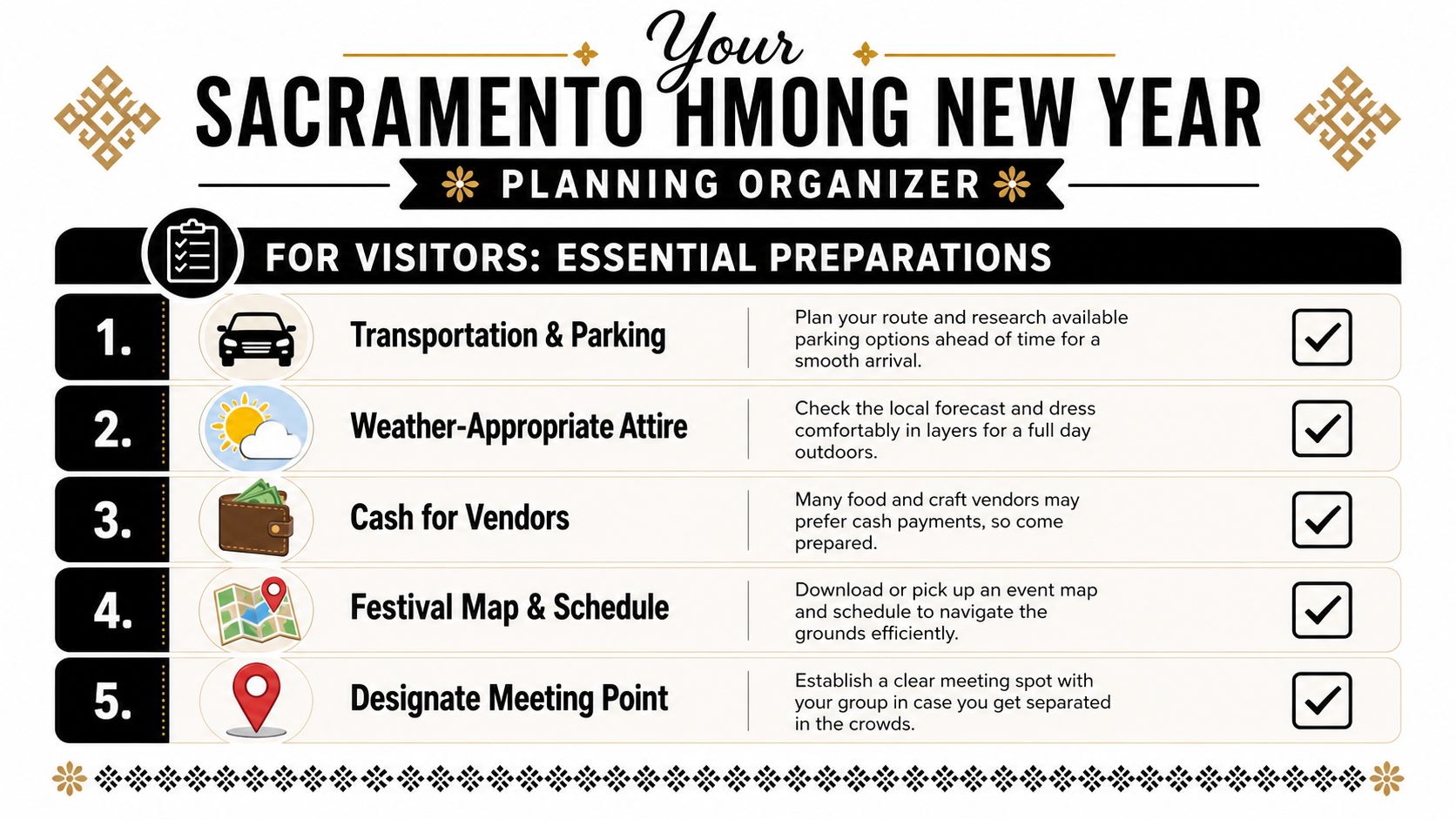
- Confirm final details: Check the official event channels for date, time, and entry updates.
- Plan your arrival: Know your route to Cal Expo and expect heavier traffic around peak times.
- Pack lightly but smartly: Bring layers, comfortable shoes, and a payment backup.
- Set a group plan: Pick a meeting point before you separate.
Checklist for community organizers
If Sacramento Hmong New Year inspires your own festival planning, begin with flow, not decoration. Most event stress comes from unclear movement and unclear responsibility.
- Build one reliable master list: Don't split attendee, vendor, and staff data across too many disconnected documents.
- Define access types early: Public guest, vendor, volunteer, performer, and backstage access should not be handled the same way.
- Test check-in before event day: Use the actual devices and actual workflow your team will use on site.
- Prepare a paper fallback: Digital systems help, but printed lists and signage still matter.
If you need a working framework, this event planning template is a practical reference for sequencing tasks and avoiding last-minute gaps.
Sacramento Hmong New Year stands out because it does two hard things at once. It protects culture and hosts a very large public gathering. That combination is exactly why it's worth learning from, whether you're going for the first time or building something similar in your own community.
If you run festivals, school events, nonprofit gatherings, or community celebrations, Darkaa can help you create QR code tickets from Google Sheets or Google Forms, send them to guests, and scan them at the door with multiple devices without moving your team into a new dashboard.